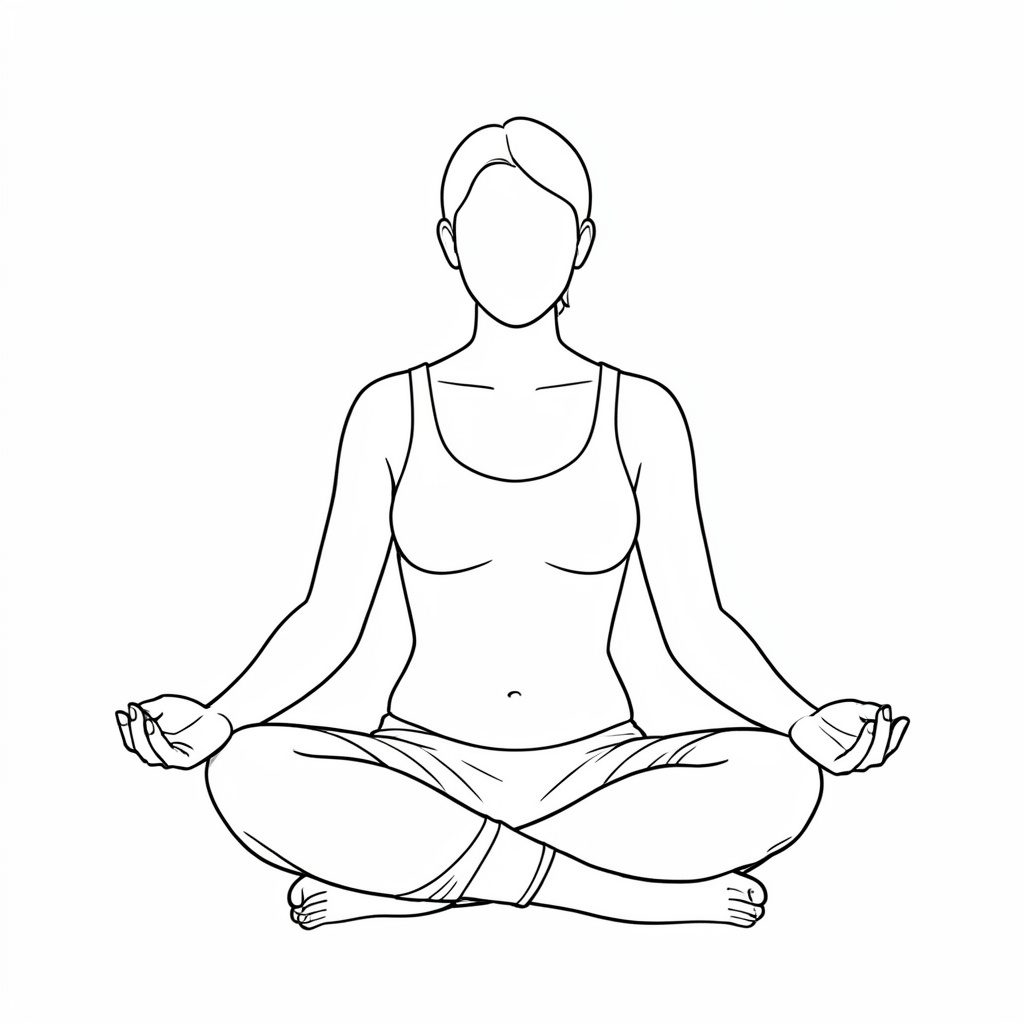
What's in Brainwaves
This section looks at the different states the mind moves through, from alert thinking to the deeper relaxation associated with meditation. Articles here connect brain wave activity to everyday focus and calm, complementing the practical guidance found in My Meditation.
Featured reading
- Brain Wave States An overview of the different wave patterns the brain produces during waking, resting, and meditative states.
- Entering the Alpha Brain Wave State A look at the alpha state associated with relaxed, focused awareness and its link to meditation practice.
- The Limits of Brain Power A discussion on the boundaries of mental capacity and what shapes them.
For related material on stilling the mind and building a meditation habit, the My Meditation category offers further reading, including guidance on entering a meditative state and applying it to everyday problem solving.
Continue to My Meditation for techniques, or return to the homepage for the full range of topics.
Brainwaves offer a quiet map of the mind's shifting weather, moving from the busy chatter of focused thought into the softer hum of relaxation. Many people first notice these changes during meditation, when the usual mental pace begins to slow and the body feels less hurried. Paying attention to these transitions can make everyday focus feel less forced and more like a natural rhythm, a steady pulse beneath the day's demands and distractions that supports clearer thinking without added strain or effort from the individual involved in the practice itself.
Different wave patterns are linked to familiar experiences, such as the alert clarity of problem solving, the calm openness of creative thinking, and the deep stillness that can arrive near sleep. None of these states are inherently better than another; rather, each serves a purpose in a balanced inner life. When a person learns to recognize which state is present, it becomes easier to choose activities that match the moment, like resting when the body asks for it and engaging when the mind feels ready to meet a challenge with attention.
Exploring brainwave states is less about chasing a particular frequency and more about understanding how attention moves. Simple pauses through the day, slow breathing, or a brief meditation can invite the mind toward calmer wavelengths without requiring special tools or long sessions. Over time, this awareness becomes a gentle skill, supporting better sleep, steadier moods, and a sense of being present in ordinary moments. The goal is not perfection but a friendlier relationship with the mind, allowing thought and stillness to take turns naturally.